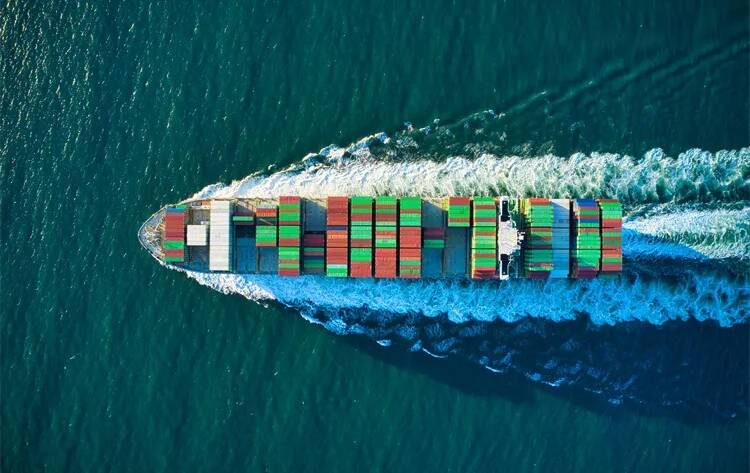
The ocean isn’t just a ecosystem; it’s the circulatory system of our planet. It dictates weather patterns, absorbs 30% of human-caused co₂, and supports livelihoods for over 3 billion people. Yet this vital blue engine is faltering under acidification, deoxygenation, and a barrage of pollutants. While commercial shipping historically contributed to these pressures, a profound…
The global labor market is undergoing a seismic shift driven by four interconnected forces: digitalization, artificial intelligence (AI), energy transition, and climate change. By 2030, these trends will redefine industries, create new job categories, and demand unprecedented adaptability from workers and organizations. Drawing on insights from leading global reports and labor market analyses, this blog…
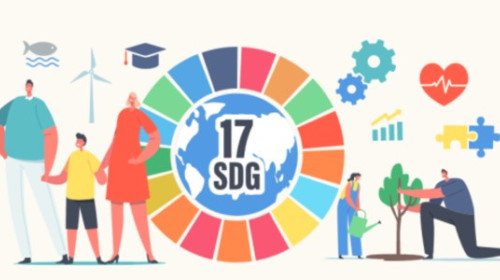
The 17 Sustainable Development Goals (SDGs) represent the United Nations' blueprint for global sustainable development through 2030. This comprehensive guide maps each SDG to its key targets, relationships with other goals, and relevant Global Reporting Initiative (GRI) standards.
People-Focused Goals
SDG 1: No Poverty
Core Objective: End poverty in all forms everywhere
Key Targets:
Eradicate extreme…
Sustainability reporting is now a cornerstone of corporate accountability, providing stakeholders with clear insights into an organization’s economic, environmental, and social impacts. The Global Reporting Initiative (GRI) standards are widely regarded as the gold standard for such reporting. In this post, we’ll explore how aligning your sustainability report with GRI standards can enhance transparency, relevance,…
In this section, we’ll explore some examples of industries within the blue economy, which share common principles such as zero emissions and the need for a cultural shift towards sustainability and business innovation.
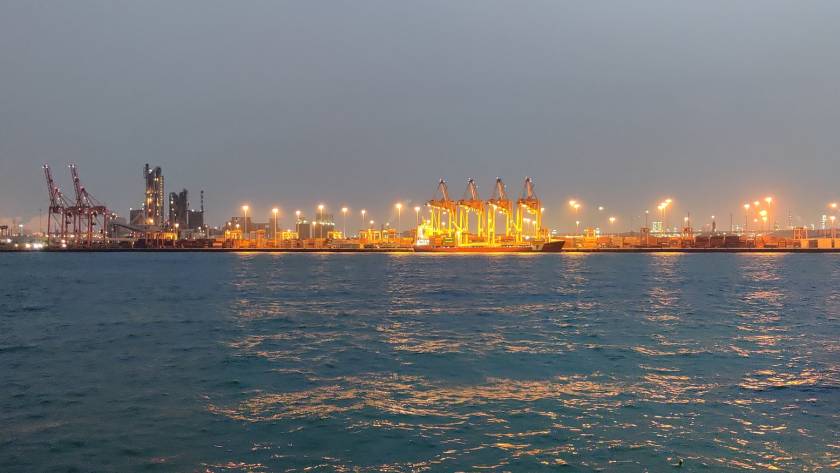
– Transportation
– Tourism
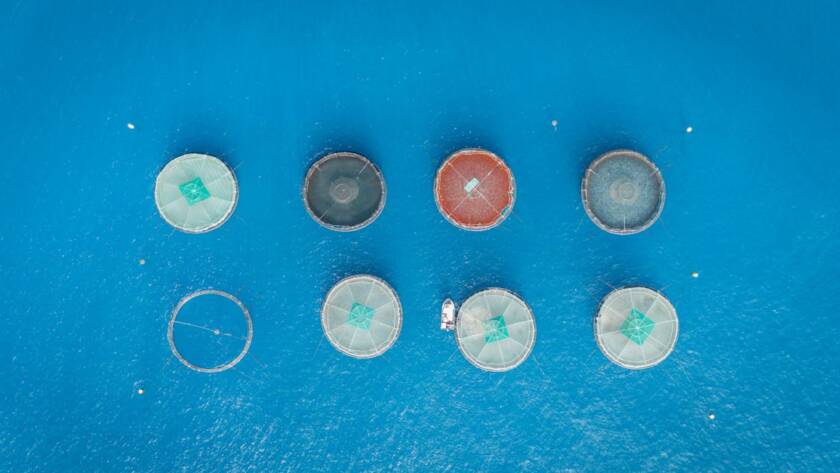
– Aquaculture
– Energy
and Case Study
Login to read…
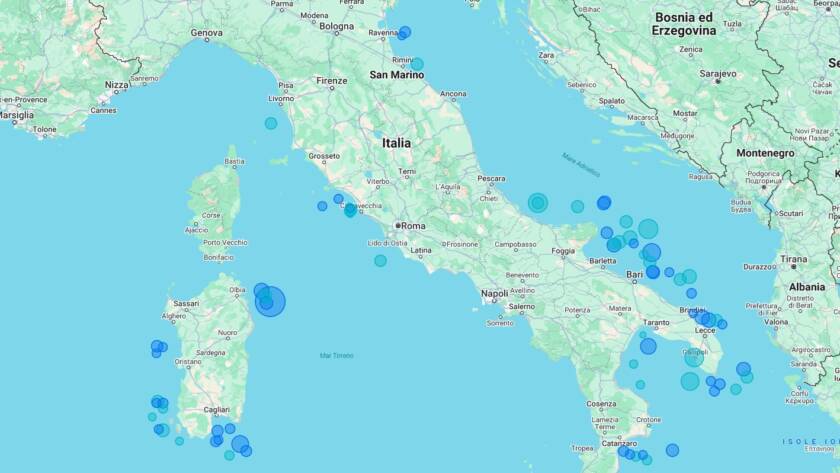
Italy, with its long coastlines, is a unique natural bridge between Europe and Africa. Its distinct microclimate, diverse topography, and geographic position make it an ideal location for industries with high growth potential and opportunities for sustainable employment. These industries are at the heart of the Blue Economy and include Transport, Tourism, Energy, and Aquaculture.
…
As the digital landscape continues to evolve, so does the demand for computing power, which in turn drives the energy consumption of data centers. These vital hubs of the modern economy house servers, storage systems, and networking equipment essential for cloud computing, artificial intelligence (AI), and countless other services. Understanding the power consumption trends of…
The Blue Economy is a long-term strategy designed to promote sustainable growth in marine and maritime sectors. It encompasses all human activities that utilize the resources of the sea, coasts, and seabed’s, aiming to develop industries and services that are closely tied to the marine environment.
This strategy views the seas and oceans not just…
When looking to spread the word about their appreciations towards the environment, organizations need to be congruent instead of inconsistent and hypocritically state that they are “green” with nothing to support the claim. They must show real actions of commitment towards these ‘green’ words. Today’s consumers are more informed than ever, and they expect brands…
“No dreamer is too small, no dream is too big.”
The Blue Economy is an innovative vision that proposes rethinking our relationship with the planet and its resources, drawing inspiration from the principles of nature and biodiversity. It is an approach aimed at generating economic, social, and environmental value, while promoting cooperation, resilience, and regeneration.…